


X
.png)

.png)




We need to mandate modernization because:
Once licenses are granted, they can lock Iceland into harmful practices for decades
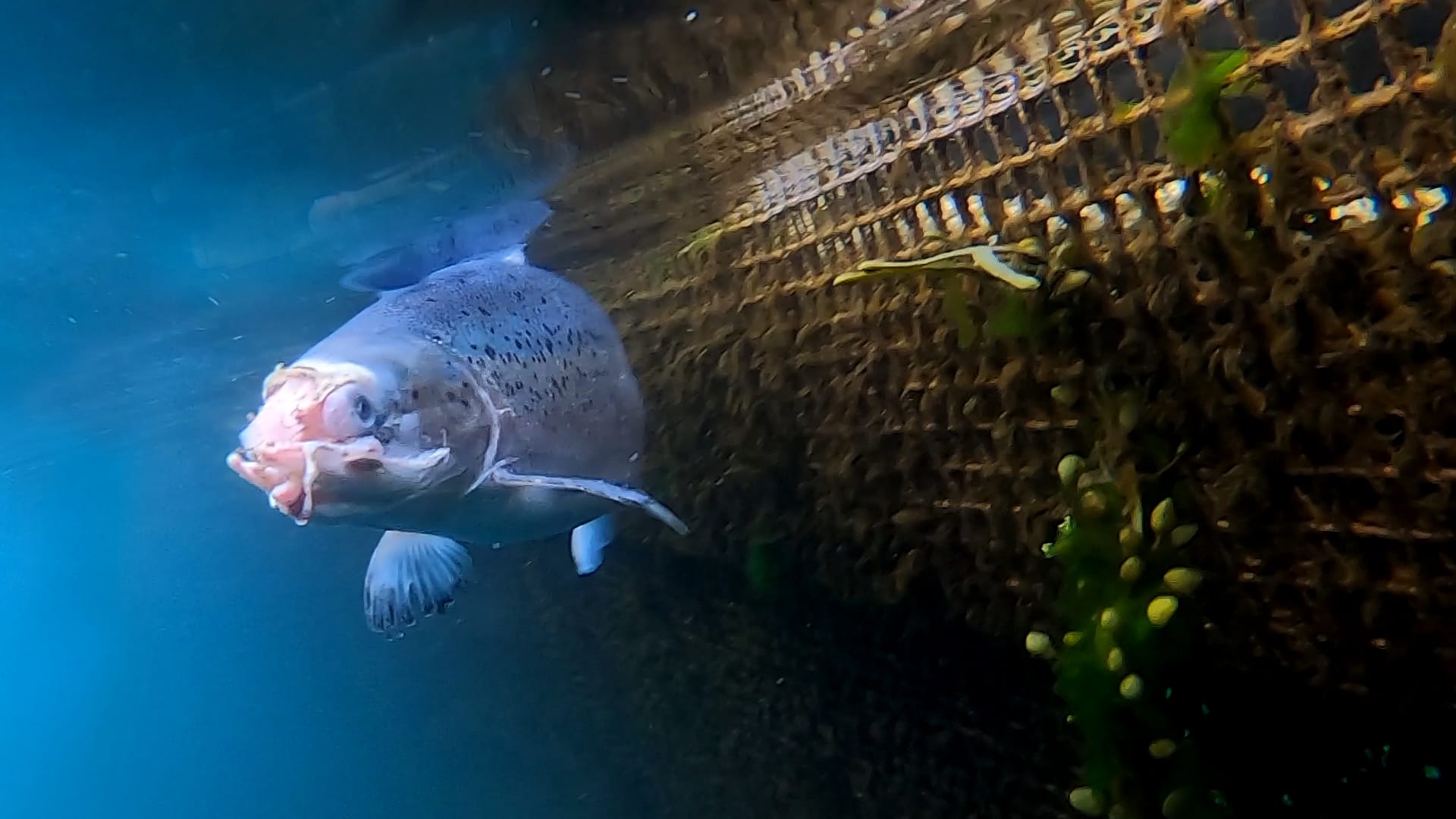
Irreversible Environmental Risk
(as acknowledged by the bill itself)

How are land-based operations superior?
What do we actually get? Sea cage salmon farming in Iceland offers limited local jobs and modest revenue in exports (~54 billion ISK) while triggering significant ecological costs, plummeting wild salmon numbers, persistent waste and microplastic pollution, high fish mortality, and large-scale escape incidents.
What’s actually good for Iceland: Tourism. Our biggest industry, it delivers roughly18x more economic value (~964 billion ISK), spreads employment across the country, and comes with far less risk.
The bottom line: Salmon aquaculture is a high-risk, low-return model. Tourism only survives if our fjords and wild nature do. Let’s not trade a proven industry for a risky one.

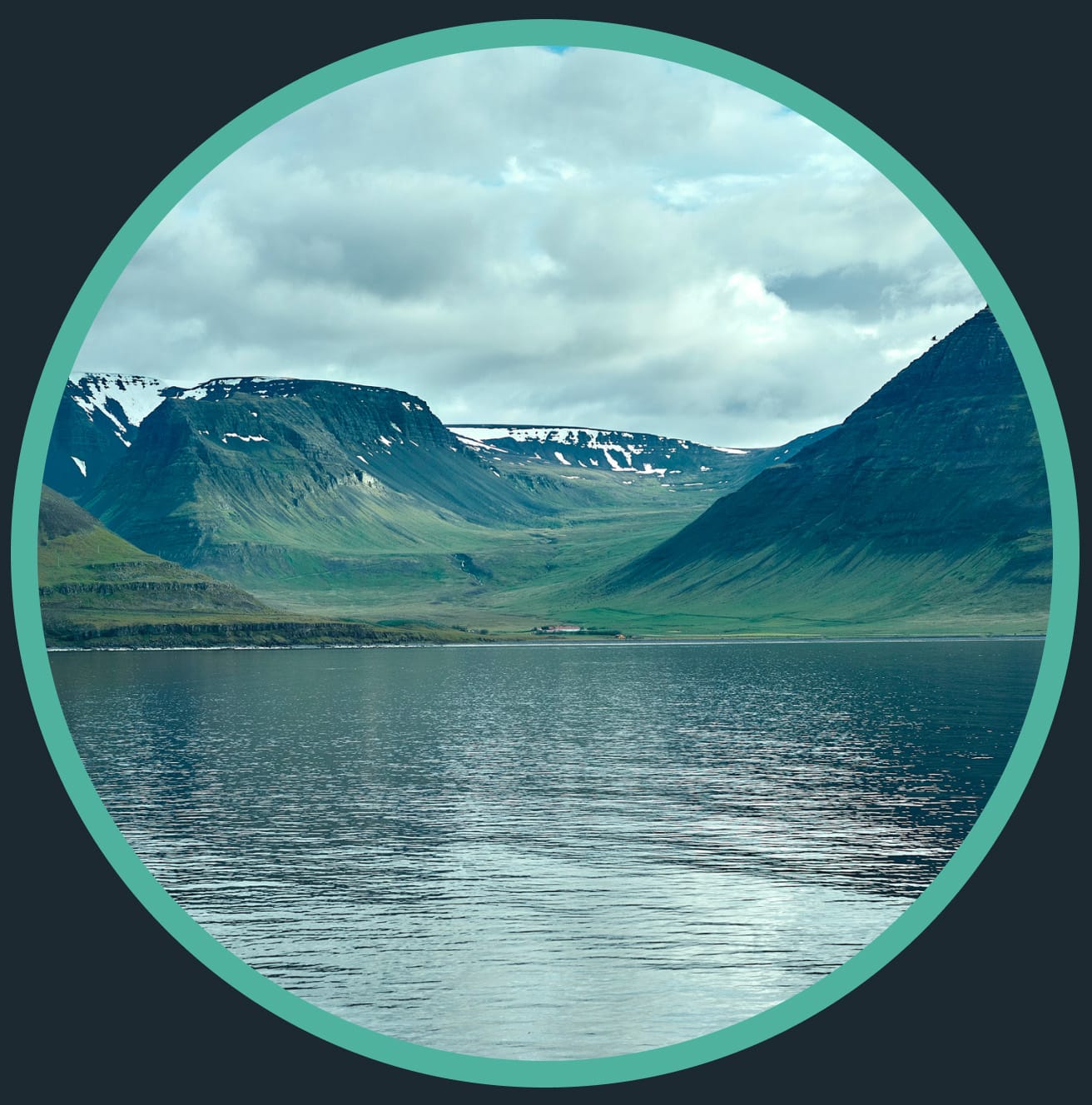
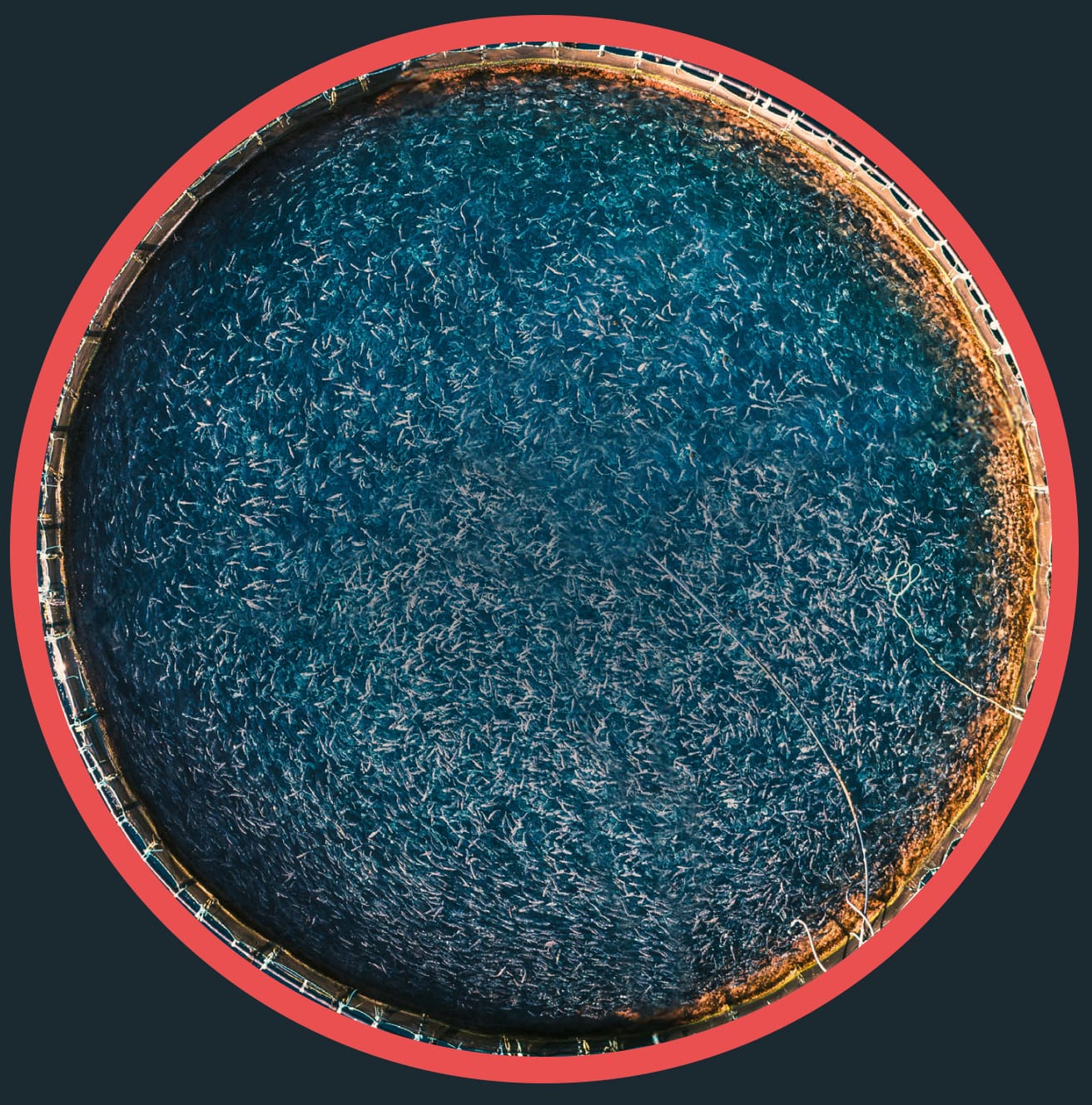
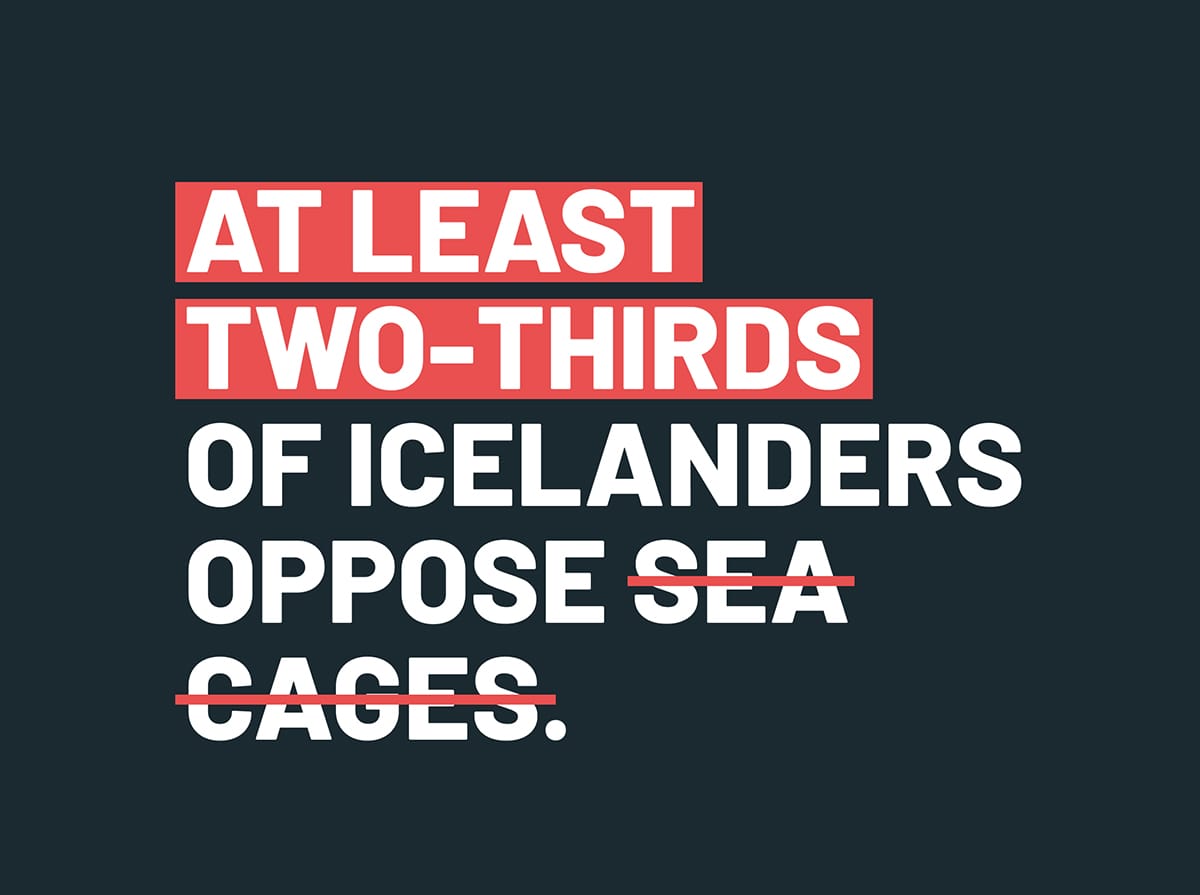
The bill purports to improve oversight but locks Iceland into a high-risk, low-return model. It is vital we modernize it while we still can: ending expansion of sea cages and setting a clear transition away from them.
The North Atlantic Salmon Fund and a growing coalition of Icelandic landowners, business leaders, scientists, and international partners stand ready to work with Parliament on solutions that protect Iceland’s coast and its future. We are also prepared to hold accountable any leader who sells off Iceland’s natural resources to benefit foreign corporations.
This bill can still be made right.
Single operator per smitvarnasvæði (disease control zone) going forward
Reduced production fees for closed and semi-closed systems
Increased access and funding for monitoring bodies
• No binding cap on total biomass
• Genetic risk assessments are advisory, not mandatory
• New sea cage zones may still be licensed
• No new protected fjords
• Carrying‑capacity assessments enable growth instead of limiting it
• The Icelandic people could owe money to foreign corporations: The bill introduces “Laxahlutur” quotas that create de facto property rights. This allows sea cages to claim there is a quota in place which in turn allows them to claim compensation from the Icelandic public if the quota is reduced or taken. The only secure way to prevent this is a clear date for the phase out of sea cages.
• This makes future transition financially and legally risky.
• Allows licenses up to 16 years, with renewals
• Closed systems receive discounts, not mandates
• Sea cages remain the default
• Pollution is priced, not prevented
• Fish deaths and waste are treated as acceptable outcomes
• Monitoring happens after damage occurs
